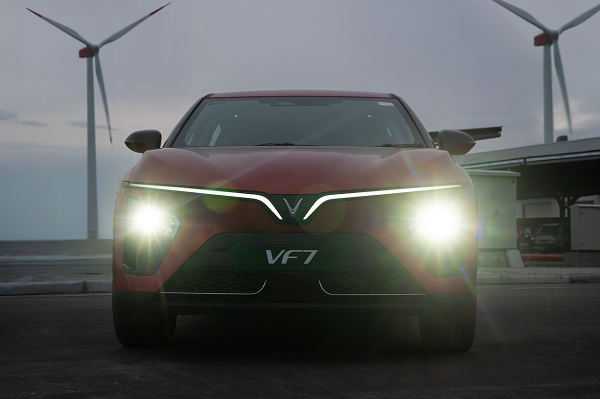
In Vietnam, VinFast’s ascent to the top of the automotive market has been one of the country’s most remarkable industrial stories. A brand that began its journey only a few years ago now leads the market with record-breaking momentum. In October 2025 alone, VinFast delivered 20,380 EVs, tripling Toyota and lifting its ten-month tally to 124,264 vehicles, a feat that analysts described as unprecedented in Vietnamese automotive history.
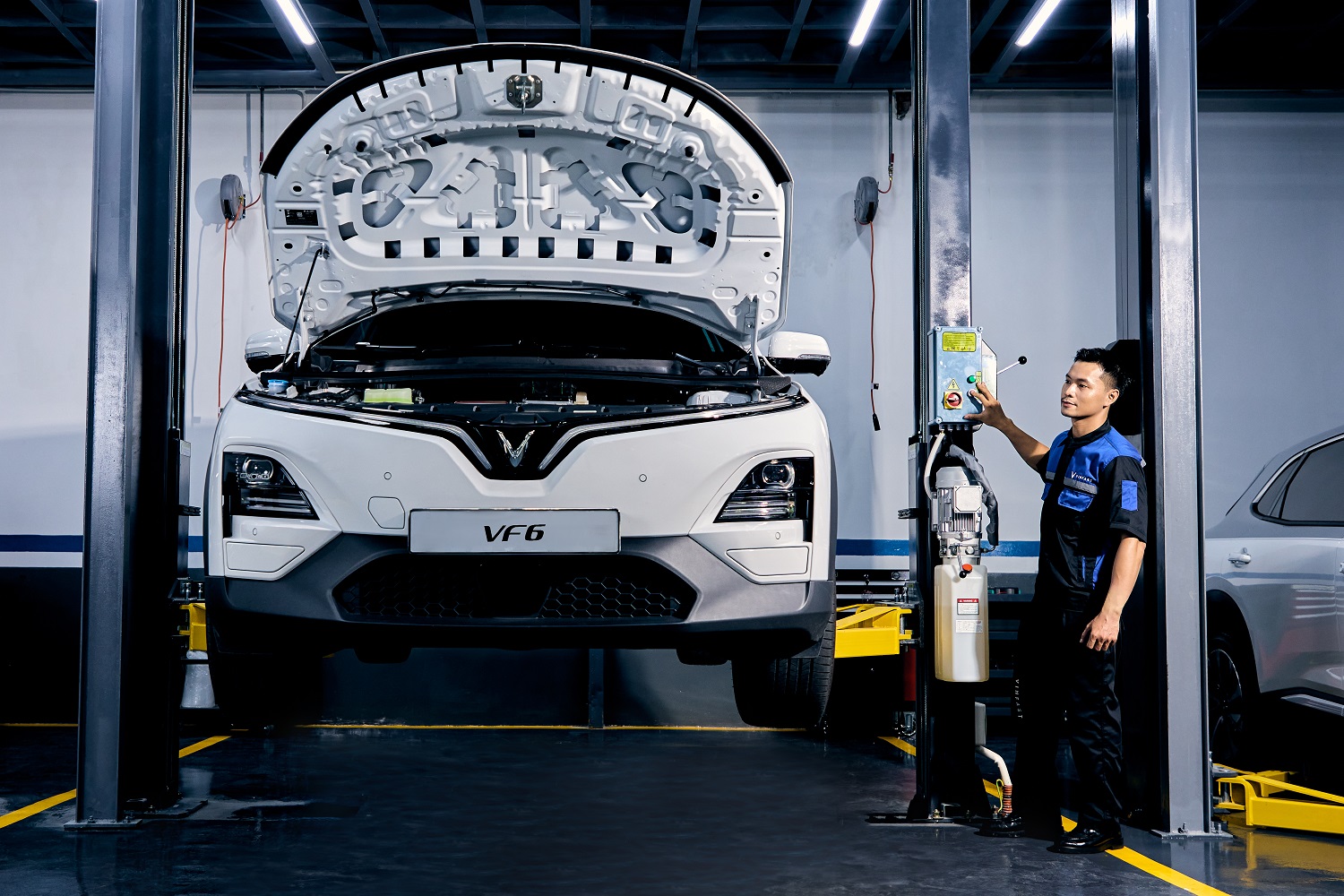 |
VinFast introduced industry-leading warranties, up to 10 years or 200,000 kilometers
This rise has been rooted in three core pillars.
The first is high-quality vehicles, anchored in engineering discipline and global safety benchmarks. The second is inclusive pricing, a value-driven approach that pairs generous equipment levels with accessible pricing to make EV ownership realistic for more households without positioning itself as the cheapest option. And the third, now widely seen as VinFast’s differentiator, is exceptional aftersales policies, a system of customer care that has redefined what Vietnamese buyers expect from an automaker.
These three pillars did not simply help VinFast grow fast. They created a new standard for trust, transparency, and long-term support. And as VinFast moves into India, it is this same formula, especially the customer-first ethos, that is beginning to take shape again.
How VinFast reshaped TCO and aftersales expectations
For many Vietnamese consumers, an EV initially looked like a gamble. Would maintenance be complicated, would parts be available, and who would help if something went wrong on the road. And convincing Vietnamese drivers to switch from ICE to EV was never only about technology. It required changing long-held assumptions about maintenance, longevity, and the cost of ownership. VinFast’s strategy was simple: make the EV experience not only competitive with ICE, but clearly superior in the areas that matter most.
The first step was security. VinFast introduced industry-leading warranties, up to 10 years or 200,000 kilometers for the VF 7, VF 8, and VF 9, and 7 years or 160,000 kilometers for the VF 3, VF 5, and VF 6. These policies stretch two to three times longer than many petrol competitors and became a defining signal of confidence from the manufacturer.
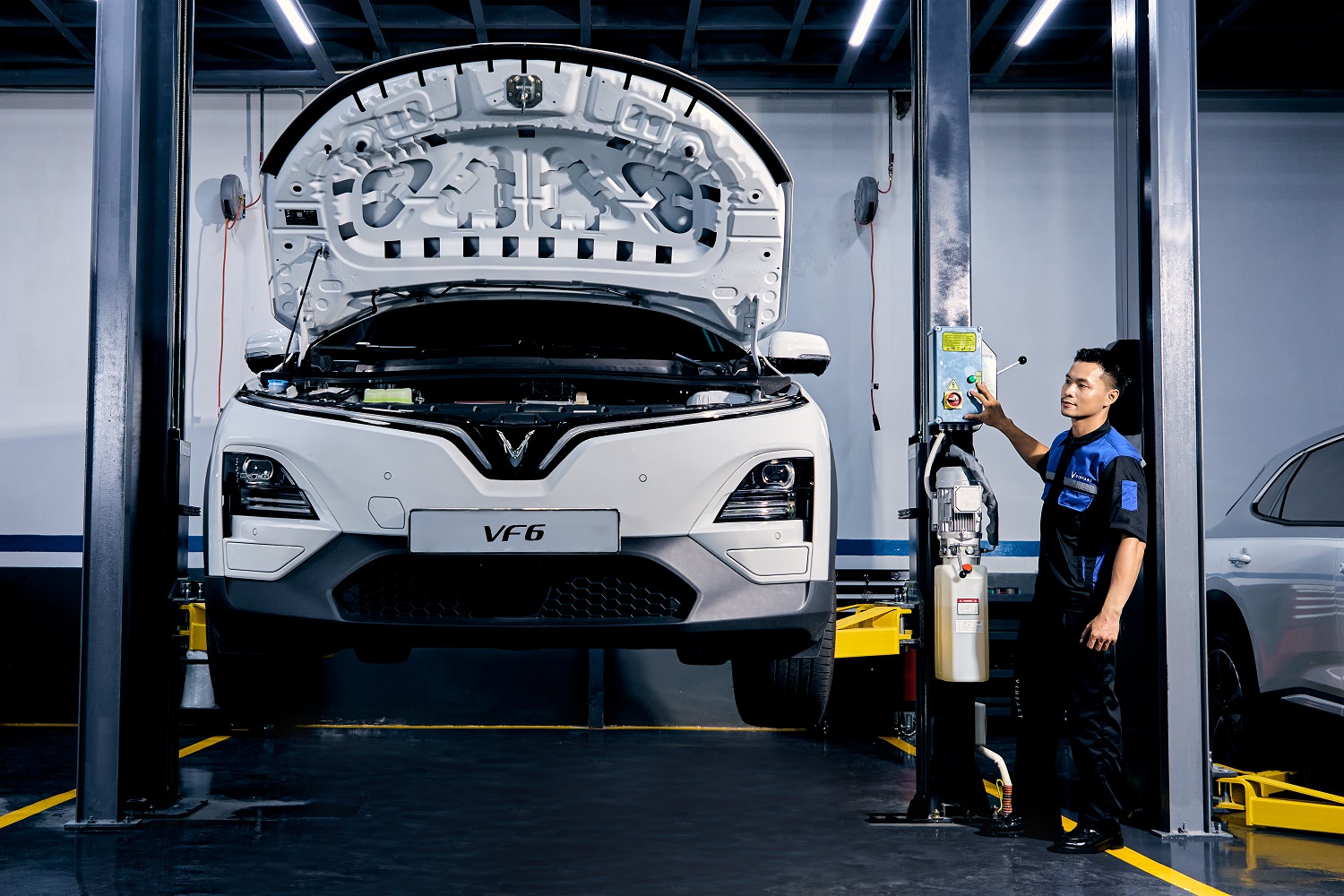
But the decisive shift came through total cost of ownership, or put more simply, the everyday economics. Vietnamese drivers quickly discovered that EV maintenance costs were not just lower, but dramatically lower. For example, one owner reported that scheduled service for a VF 6 at 36,000 kilometers costs roughly 80 to 90 percent less than equivalent ICE vehicles. One comparison shared by a community fanpage noted that an ICE rival’s 20,000 kilometer service cost was nearly 14 times higher than that of a VinFast VF 6.
Energy savings amplified the difference. With VinFast offering free public charging at V-Green stations in Vietnam until June 2027, owners effectively eliminated their largest recurring cost. For many families, this amounted to a 100 percent reduction in energy spending, often equivalent to USD 700 to 900 per year, as one driver pointed out.
As of today, VinFast has built more than 300 service centers nationwide, forming one of Vietnam’s most extensive automotive support networks. Combined with 150,000 charging ports, this infrastructure removed anxieties about where to charge or maintain an EV and made electrification feel practical rather than experimental.
Yet physical infrastructure was only part of the equation. What truly strengthened public trust was how the company behaved when customers needed help the most. In real-world situations, both at the individual level and during broader disruptions, VinFast demonstrated a willingness to go beyond standard procedure.